Therapy Services in Calgary
I offer individual, trauma-focused, adolescent, and specialized therapy for men and second-generation Canadians — in person in Calgary and virtually across Alberta and Quebec.
Every service listed here is grounded in evidence-based practice and tailored to you specifically. There is no cookie-cutter treatment plan. What we work on, how we work, and at what pace is built around your history, your nervous system, and your goals.
I am a Registered Psychologist (R.Psych) regulated by the College of Alberta Psychologists. Sessions are $235 and a sliding scale is available for those who need it. I see clients for 50-minute, 90-minute, and 2-hour sessions depending on the nature of the work.
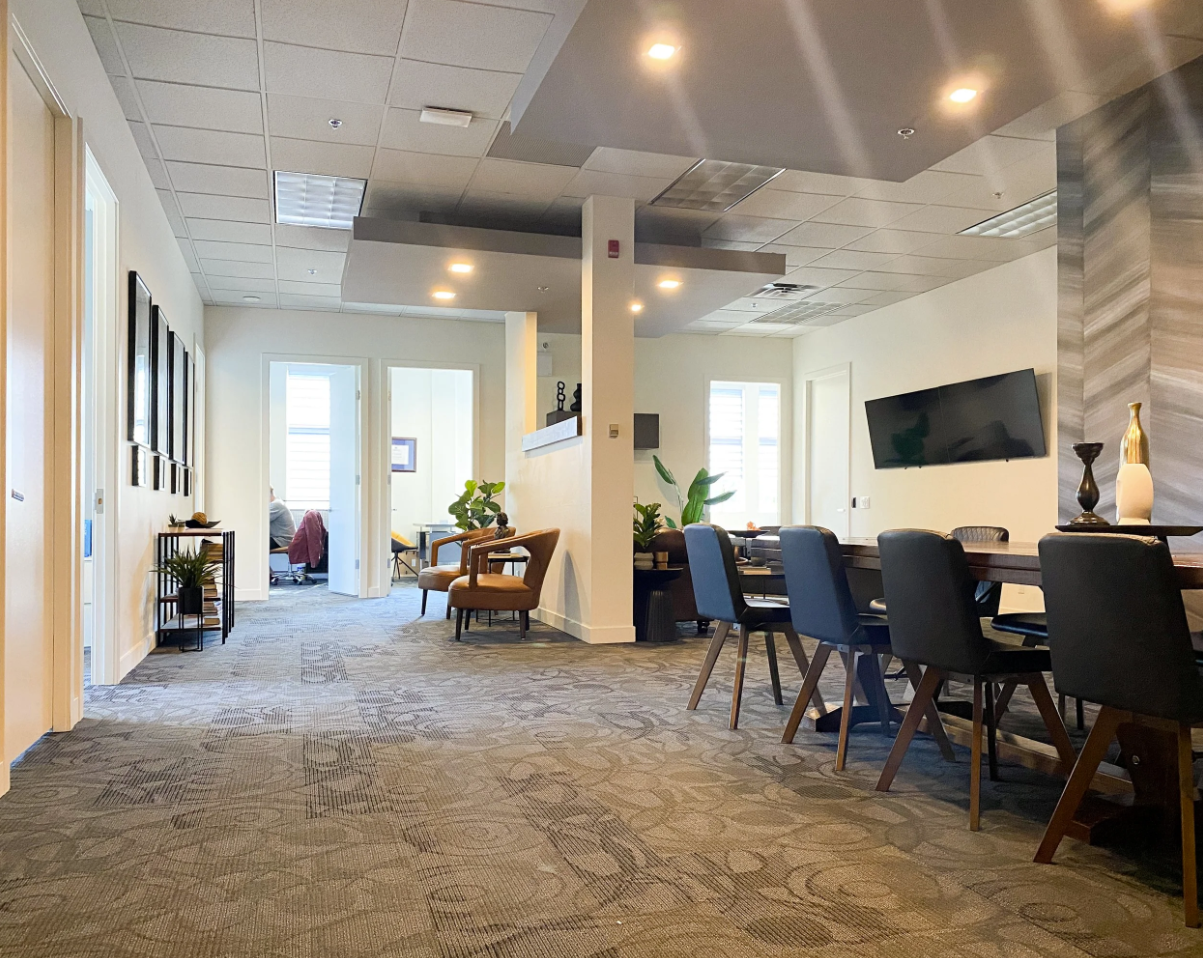
Individual Therapy
One-on-one therapy for adults who are ready to do real work.
Individual therapy with me is structured, collaborative, and built around where you actually are, not where you think you should be. In our first sessions we'll develop a clear picture of your history, your patterns, and what you want to be different. From there, we build a treatment plan with direction and intention.
This isn't open-ended venting. Sessions have purpose. Progress is tracked. And I'll bring both clinical precision and genuine human presence to every conversation.
Who this is for:
→ Adults navigating anxiety, depression, burnout, or relationship issues
→ People who've been in therapy before and want something more structured
→ High performers hitting a wall they can't outwork
→ Anyone ready to move beyond symptom management into lasting change
What to expect:
Sessions are 50 minutes. We'll spend the first few building a thorough understanding of your history and goals before moving into active intervention work. Most clients begin noticing meaningful shifts within 8–12 sessions, though the depth and pace of work varies by person.
Complex Trauma Therapy
EMDR, IFS & Phase-Based Treatment
Trauma therapy requires more than talking about what happened. In fact, talking is often the least effective place to start.
I work with complex trauma, PTSD, childhood trauma, relational trauma, and the kind of trauma that doesn't have a single defining event — the slow accumulation of experiences that quietly shaped how you move through the world.
How I approach trauma treatment:
Most trauma therapy with me follows a phase-based structure. This is intentional. Before we touch traumatic memories directly, we build the foundation that makes processing safe and sustainable.
Phase 1 — Stabilization
We start by building resources: coping skills, grounding techniques, and a working relationship with your nervous system. This phase is not a waiting room before the real work — it is the real work. Understanding how your body holds stress, learning to distinguish between what I call "normal emotions" and "trauma emotions," and developing the capacity to regulate your nervous system day-to-day is foundational to everything that follows. Many clients find this phase transformative on its own.
Phase 2 — Processing
Once we have a stable foundation, we move into processing. Depending on your history and what feels right for you, this may involve EMDR (Eye Movement Desensitization and Reprocessing), IFS (Internal Family Systems), or CPT (Cognitive Processing Therapy).
A significant part of this work involves implicit memories and body memories — the sensations, triggers, and emotional reactions that live below conscious thought. We work with these directly, helping you distinguish between past and present, between the part of you that's responding to now and the part that's still responding to then. This is what breaks the emotional spiral.
Phase 3 — Integration
We consolidate gains, strengthen your sense of self and agency, and prepare you to move forward with the tools and self-knowledge built through treatment.
What to expect:
Trauma therapy is not linear. Some weeks will feel like breakthroughs. Others will feel slower. I'll pace the work carefully to reduce overwhelm and build self-mastery rather than push through at a speed that retraumatizes. Extended sessions of 90 minutes or 2 hours are available for deeper processing work.
Who this is for:
→ Adults with complex or developmental trauma
→ People who've tried talk therapy and felt it wasn't enough
→ First responders and professionals with occupational trauma
→ Anyone whose body carries the weight of past experiences
→ Clients who want to understand their triggers, not just manage them
Therapy for Men
Most men don't walk into therapy easily. If you're here, that already says something.
I work with a lot of men — not because I market to them specifically, but because men who are ready to do the work often need a particular kind of space. One that doesn't pathologize how they were raised. One where directness is respected. One where the goal isn't to become someone different, but to become a more grounded version of who you already are.
What men typically bring:
Anger that shows up before anything else — and the frustration of not knowing where it's actually coming from. Relationship issues that keep repeating regardless of how hard you try. Anxiety that you've never called anxiety because it looked more like drive, control, or the need to stay one step ahead. An inner critic that's relentless. Insecurities that nobody knows about.
And sometimes, real courage — the willingness to finally say out loud that something isn't working.
How I work with men:
I build on tangible, real-world skills grounded in evidence and research. I won't ask you to sit with your feelings indefinitely without giving you something practical to work with. Sessions are direct, structured, and honest — and I'll challenge you when you need to be challenged.
I'm also a man who has done this work personally. I know what it costs to admit something isn't working. I know what it feels like to mistake anxiety for ambition, or to keep people at arm's length and call it independence. The work I do with male clients is informed by my own experience — not just my clinical training.
Who this is for:
→ Men who are skeptical about therapy but know something needs to change
→ Men dealing with anger, relationship breakdown, or emotional disconnection
→ High-achieving men who are successful by every measure and quietly struggling
→ Men navigating identity, masculinity, and what it means to be vulnerable without losing themselves
Adolescent Therapy (Ages 12 and Up)
Adolescence is one of the most formative and most overlooked windows for psychological development. What gets built, or left unbuilt, during these years shapes emotional life well into adulthood.
I work with teens aged 12 and up on the challenges that are specific to this stage: identity, self-worth, anxiety, depression, school pressure, social dynamics, family conflict, and the particular weight of growing up in a world that moves faster than most adults understand.
My approach with adolescents:
Teens need a space where they don't have to perform or filter themselves. I work hard to earn that trust rather than assume it. Sessions are collaborative, age-appropriate, and focused on building genuine insight and coping skills — not just compliance.
I work to involve parents where appropriate, with the agreement of the young person. In my experience, the most effective adolescent therapy involves the family system in some capacity — not because teens need to be managed, but because the relationships around them are part of what shapes their wellbeing. Where parents are involved, I work to help them understand what their child is navigating and how to support the process at home.
That said, the teen's autonomy and trust always comes first. Many of my adolescent clients work with me individually, with parents informed but not present in sessions.
What teens bring:
→ Anxiety and the pressure to perform academically and socially
→ Identity questions — who they are, where they belong, what they believe
→ Emotional dysregulation and difficulty managing big feelings
→ Trauma, bullying, or relational wounds
→ Depression, low self-worth, and persistent hopelessness
→ The specific challenges of growing up between cultures
Who this is for:
→ Teens aged 12 and up in Calgary and virtually across Alberta
→ Parents looking for a psychologist who will genuinely connect with their child
→ Families navigating a teen who is struggling but resistant to getting help
Therapy for Second-Generation & Asian Canadians
There is a particular kind of exhaustion that comes from living between two worlds.
The pressure to honour where your family came from while building something of your own. The guilt of wanting things that don't fit the script you were handed. The experience of walking into a therapy room and spending half the session explaining cultural context that your therapist has never lived.
I understand this from the inside. As a Filipino-Canadian, I grew up navigating the expectations that come with immigrant family culture, the weight of sacrifice, the unspoken rules around success and obligation, the complexity of being fully Canadian and never quite fully anything else.
I don't need that explained to me. Which means we can spend our time on the actual work.
What this work often involves:
→ Family pressure, obligation, and the guilt of setting boundaries
→ Identity — who you are when you step outside the role your family needs you to play
→ Intergenerational trauma and the patterns passed down without words
→ The experience of being a person of colour in predominantly white professional or social spaces
→ Anxiety, perfectionism, and self-worth tied to achievement and approval
→ Relationships shaped by cultural expectations around gender, marriage, and family
Who this is for:
→ Second-generation Canadians of any background
→ Asian Canadians — East Asian, Southeast Asian, South Asian — navigating identity and family dynamics
→ First-generation immigrants adjusting to life in Canada
→ Anyone who has felt unseen or misunderstood by previous therapists
Not Sure Which Service Is Right for You?
That's what the free 15-minute consultation is for. We'll talk about what's going on, what you're looking for, and whether working together makes sense. No commitment, no pressure.
I see clients in person in Calgary at Suite 210, 333 24 Ave SW, and virtually across Alberta and Quebec. I respond to all inquiries within 24 hours.